
What You Need to Know About the Role of the Probate Court in Estate Settlements
Dec. 1, 2025
 After losing a loved one, families often find themselves facing a maze of paperwork and legal procedures. The emotional weight of grief makes it even harder to handle decisions about property, debts, and inheritances.
For many Michigan families, the term probate quickly becomes part of that conversation—but it’s not always clear what it means or how the court becomes involved. At the Law Office of Blake P. Lipman in Farmington Hills, Michigan, families receive steady guidance through these difficult times.
Attorney Blake P. Lipman helps clients across the Detroit Metropolitan Area, including the Tri-County Area of Oakland, Wayne, and Macomb Counties, understand how the probate court operates and what to expect during the process.
Knowing how the system works can make a stressful situation easier to manage. With the right information and legal support, families can move forward with confidence in their loved one’s wishes.
The Purpose of the Probate Court
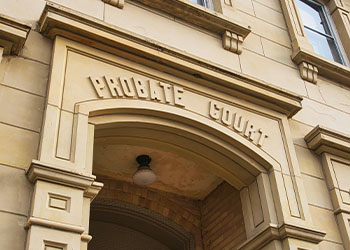
The probate court serves as an oversight body that ensures estates are settled fairly and in accordance with the law. Its primary job is to verify that a will is valid, debts are paid, and assets are distributed to the rightful heirs or beneficiaries. Even when families are on good terms, court involvement adds accountability that protects everyone involved.
In Michigan, not all estates must pass through probate. Smaller estates or those held in trust may qualify for simplified procedures. Still, when property is owned solely by the deceased or when disputes arise, court supervision becomes necessary.
The probate process isn’t designed to punish or complicate—it exists to create transparency and prevent confusion. With experienced legal assistance, what might appear intimidating or daunting at first can often proceed smoothly.
How the Probate Process Begins
Probate begins when someone files a petition with the local probate court, usually in the county where the deceased lived. The court then appoints a personal representative—also known as an executor or administrator—to handle the estate’s affairs.
That person’s duties include locating assets, notifying creditors, paying valid debts, and distributing what remains to beneficiaries. Depending on the estate’s size and intricacies, this can take anywhere from a few months to over a year.
A probate attorney can help the representative meet deadlines and avoid common pitfalls. This guidance is exceptionally valuable in estates involving real estate, businesses, or blended families. In these situations, clear communication and meticulous documentation can prevent disputes and protect the deceased's legacy.
Key Responsibilities of the Probate Court
The probate court oversees several major steps in the settlement process. Each one allows for all parties to be treated fairly and that the estate is administered in accordance with Michigan law. Typical responsibilities include:
Validating the will: Confirming the document meets all legal requirements and truly represents the deceased’s intent.
Appointing a representative: Selecting or approving the person who will manage the estate.
Inventorying assets: Ensuring all property, financial accounts, and valuables are correctly listed.
Handling creditor claims: Reviewing and approving legitimate debts that must be paid from the estate.
Approving distributions: Authorizing the transfer of remaining assets to beneficiaries.
By monitoring each of these steps, the court provides structure and prevents disputes from escalating. When questions arise about ownership or value, judges rely on documentation and testimony to make decisions that uphold fairness.
Working with a firm like the Law Office of Blake P. Lipman helps families complete these stages accurately and efficiently while minimizing stress. The guidance provided throughout each step offers reassurance that every decision, filing, and distribution aligns with both Michigan law and the family’s intentions.
Common Challenges in Probate Proceedings
Even straightforward cases can encounter obstacles that delay resolution. Family disagreements, missing documents, or creditor disputes can quickly complicate matters. Frequent challenges include:
Unclear wills: Missing signatures, outdated clauses, or vague wording that sparks conflict.
Property valuation disputes: Disagreement over the worth of real estate, collectibles, or business assets.
Creditor conflicts: Challenges to which debts are legitimate or how they should be paid.
Heir disagreements: Tension between relatives over asset distribution or perceived fairness.
Executor errors: Oversights in record-keeping or missed filing deadlines.
These complications don’t always mean the process will collapse—but they do require patience and precision. Having a lawyer guide families through each phase of probate can prevent small issues from becoming major setbacks.
Why Accurate Record-Keeping is Crucial
Transparency is critical during estate administration. The personal representative must keep detailed records of every transaction, including payments, asset transfers, and court filings. Michigan courts may require regular reports, especially in larger or contested estates.
Good documentation builds trust among heirs and reduces the likelihood of formal objections. It also protects the representative from liability if disagreements arise later.
An attorney experienced in probate law can provide templates, organize timelines, and verify that all filings comply with court requirements. When families rely on professional oversight, they can focus on healing while knowing that their loved one’s legacy is in good hands.
Alternatives That Can Avoid Probate
While probate offers structure, some families prefer to plan ahead to minimize court involvement. Certain legal tools allow assets to pass directly to beneficiaries without the need for formal proceedings. Common probate-avoidance strategies include:
Living trusts: Transfer property ownership to a trust, managed by a trustee, for smoother distribution after death.
Joint ownership: Property owned jointly often transfers automatically to the surviving owner.
Transfer-on-death designations: Financial accounts and securities can name beneficiaries directly.
Beneficiary deeds: Real estate deeds can designate who inherits property without court approval.
Payable-on-death accounts: Bank accounts can be assigned to a beneficiary for automatic transfer.
These planning tools are most effective when established early. Consulting an attorney familiar with probate can help individuals decide which methods fit their circumstances best.
Even with careful preparation, some assets may still require court oversight, so families should plan with realistic expectations.
How the Probate Court Promotes Fairness
Probate court may feel procedural, but its purpose is rooted in fairness. By supervising asset distribution and debt resolution, the court ensures that no one is left out or treated unjustly. This oversight also protects vulnerable heirs—such as minors or individuals with disabilities—from exploitation.
Michigan’s probate judges aim to balance legal requirements with compassion for grieving families. They rely on evidence, documentation, and legal arguments to reach outcomes that honor both the law and the decedent’s intent.
Through professional representation, families can present their cases clearly and avoid unnecessary confusion. The Law Office of Blake P. Lipman helps assure that the process remains orderly, transparent, and respectful of everyone’s interests.
Contact a Probate Attorney Today
Estate administration can be overwhelming, but professional support makes all the difference. The Law Office of Blake P. Lipman, located in Farmington Hills, Michigan, serves families in the Detroit Metropolitan Area and in Oakland, Wayne, and Macomb Counties.
Whether you’re starting the probate process or planning to avoid it in the future, Attorney Blake P. Lipman provides guidance rooted in experience and empathy. Families can rely on his firm for clear communication and steady legal representation from start to finish.
Reach out to the Law Office of Blake P. Lipman today to schedule a consultation and gain the peace of mind that comes with knowing your loved one’s estate is being handled properly.